Improve your short game with our chipping guide and lower your score
Introduction to Chipping
Chipping is one of the most important parts of golf, yet it's often overlooked by mid-handicappers. It's not about hitting the ball far, but about getting it close to the hole. With a good chipping technique, you can save strokes and lower your score. In this article, we'll cover the basics of chipping, including technique, club selection, and common mistakes to avoid.
According to a study, golfers who practice their short game can shave off up to 10 strokes from their score. That's a significant improvement, and it's achievable with the right technique and practice. So, let's dive into the world of chipping and explore how you can improve your game.
One of the most common mistakes mid-handicappers make is using the wrong club for chipping. They often use a 58 or 60 degree wedge, which can be too much loft and result in inconsistent shots. Instead, it's recommended to use a lower lofted club, such as a 46 or 48 degree wedge, to get the ball rolling sooner and more consistently.
Technique and Club Selection
The key to good chipping is to get the ball rolling as soon as possible. This can be achieved by using a lower lofted club and a more shallow swing. By doing so, you'll reduce the amount of spin on the ball and get it rolling more consistently. It's also important to choose the right club for the shot, taking into account the distance to the hole and the terrain.
When it comes to club selection, it's recommended to use a club with a bounce angle that matches the terrain. For example, if you're playing on a sandy course, you'll want to use a club with a higher bounce angle to prevent the club from digging into the sand. On the other hand, if you're playing on a firm course, you can use a club with a lower bounce angle to get the ball rolling sooner.
I recommend using a Cleveland RTX wedge Cleveland RTX Wedge → for chipping. It's a versatile club that can be used for a variety of shots, from high lofted shots to lower lofted shots. The Cleveland RTX wedge also features a unique bounce angle system that allows you to adjust the bounce angle to match the terrain.
Common Mistakes to Avoid
One of the most common mistakes mid-handicappers make is using too much loft when chipping. This can result in inconsistent shots and a lack of control. Instead, it's recommended to use a lower lofted club and a more shallow swing to get the ball rolling sooner and more consistently.
Another common mistake is not practicing enough. Chipping is a skill that requires practice to develop, and it's not something that you can just pick up overnight. It's recommended to practice your chipping regularly, focusing on different types of shots and terrain.
Don't be afraid to experiment and try different techniques until you find what works best for you. Remember, the key to good chipping is to get the ball rolling as soon as possible, so focus on using a lower lofted club and a more shallow swing.
Stats and Trends
Let's take a look at some stats and trends in the world of chipping. According to a study, golfers who practice their short game can shave off up to 10 strokes from their score. That's a significant improvement, and it's achievable with the right technique and practice.
As you can see, the stats are clear: practicing your short game and using the right technique and club can make a significant difference in your score. So, don't be afraid to experiment and try different techniques until you find what works best for you.
Conclusion and Final Tips
In conclusion, chipping is a crucial part of golf that can make a significant difference in your score. By using the right technique and club, and practicing regularly, you can improve your chipping and lower your score. Remember to focus on getting the ball rolling as soon as possible, and don't be afraid to experiment and try different techniques until you find what works best for you.
Finally, I want to leave you with a few final tips. First, make sure to practice your chipping regularly, focusing on different types of shots and terrain. Second, don't be afraid to experiment and try different techniques until you find what works best for you. And third, remember to have fun and enjoy the game. With the right technique and practice, you can improve your chipping and take your game to the next level.
So, go out there and give it a try. With a little practice and patience, you can become a master chipper and lower your score. Happy golfing!
⛳ Related Gear
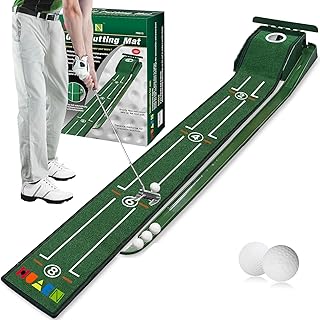
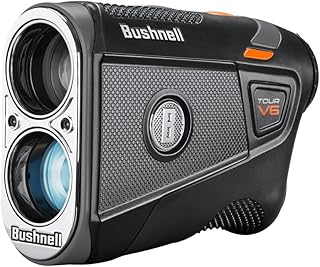
Gear worth checking out for mid-handicap golfers: