Improve your game with these tips and strategies for mid-handicappers in August 2026
Introduction to Golf Course Management
As a mid-handicapper, you're likely looking for ways to improve your game and lower your scores. One of the most effective ways to do this is by improving your golf course management skills. This involves making smart decisions about which clubs to use, when to take risks, and how to navigate the course. In this article, we'll provide you with some tips and strategies for improving your golf course management skills. We'll also recommend a Garmin GPS watch Golf GPS Watch on Amazon AU → to help you make more informed decisions on the course. Golf course management is all about playing to your strengths and avoiding your weaknesses. It's about knowing when to take a risk and when to play it safe.
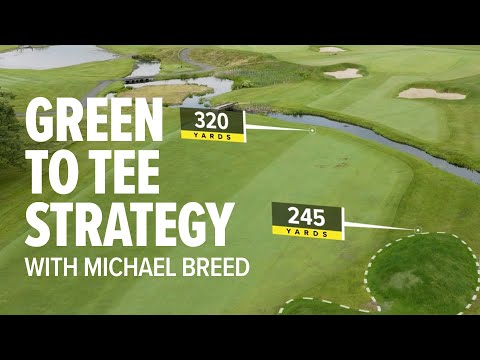
For example, if you're not a great long hitter, it's probably not a good idea to try to reach the green on a par 5 in two shots. Instead, you could play it safe and lay up to a comfortable distance from the green. This will give you a better chance of making a good score and avoid the risk of hitting a bad shot. On the other hand, if you're a great long hitter, you may want to take a risk and try to reach the green in two shots. This could give you a chance to make an eagle or at least a birdie. The key is to know your own strengths and weaknesses and make decisions based on that.
Golf course management is also about knowing the course and using that knowledge to your advantage. If you know the course well, you can make informed decisions about which clubs to use and when to take risks. You can also use your knowledge of the course to avoid hazards and tricky shots. For example, if you know that a particular hole has a lot of bunkers, you can try to avoid them by hitting to a safe area. This will give you a better chance of making a good score and avoid the risk of hitting a bad shot.
Course management is a crucial part of the game, and it's something that can really separate the good players from the great players. By making smart decisions and playing to your strengths, you can improve your game and lower your scores.
In addition to knowing the course, it's also important to know your own game. This means being aware of your strengths and weaknesses and making decisions based on that. For example, if you're not a great putter, you may want to try to avoid three-putting by hitting your approach shots closer to the hole. On the other hand, if you're a great putter, you may want to take a risk and try to make a longer putt. The key is to know your own game and make decisions based on that.
Club Selection and Golf Course Management
Club selection is a critical part of golf course management. The right club can make all the difference in the world, and the wrong club can lead to disaster. When selecting a club, you need to consider a number of factors, including the distance to the hole, the terrain, and the wind. You also need to consider your own strengths and weaknesses as a golfer. For example, if you're not a great long hitter, you may want to choose a club that will give you more accuracy and control. On the other hand, if you're a great long hitter, you may want to choose a club that will give you more distance.
One of the most important things to consider when selecting a club is the distance to the hole. You need to choose a club that will give you the right amount of distance to reach the green. If you choose a club that is too long, you may end up overshooting the green and ending up in trouble. On the other hand, if you choose a club that is too short, you may end up coming up short and having to chip or pitch to the green. The key is to choose a club that will give you the right amount of distance to reach the green.
In addition to considering the distance to the hole, you also need to consider the terrain and the wind. If the terrain is hilly or uneven, you may need to choose a club that will give you more height and trajectory. On the other hand, if the terrain is flat and smooth, you may be able to choose a club that will give you more distance and roll. The wind is also an important factor to consider, as it can affect the trajectory and distance of your shot. For example, if the wind is blowing into your face, you may need to choose a club that will give you more distance and trajectory to compensate for the wind.
Club selection is an art that requires a lot of practice and experience to master. The more you play, the more you'll develop your skills and learn how to choose the right club for the job.
In order to improve your club selection skills, it's a good idea to practice with different clubs and see how they perform in different situations. You can also try to develop a pre-shot routine that will help you stay focused and make better decisions on the course. For example, you could take a few deep breaths and visualize the shot before you hit it. This will help you stay calm and focused, and make a better decision about which club to use.
Laying Up and Golf Course Management
Laying up is an important part of golf course management, especially for mid-handicappers. It involves hitting a shot to a safe distance from the green, rather than trying to reach the green in one shot. This can be a good strategy if you're not a great long hitter, or if you're facing a difficult or risky shot. By laying up, you can avoid the risk of hitting a bad shot and give yourself a better chance of making a good score.
There are a number of situations where laying up can be a good strategy. For example, if you're facing a long par 5 with a lot of hazards, you may want to lay up to a safe distance from the green rather than trying to reach the green in two shots. This will give you a better chance of avoiding the hazards and making a good score. On the other hand, if you're facing a short par 4 with a easy approach, you may want to try to reach the green in one shot and make a birdie or eagle.
In addition to considering the distance to the hole, you also need to consider the terrain and the wind when deciding whether to lay up. If the terrain is hilly or uneven, you may need to lay up to a safe distance from the green to avoid the risk of hitting a bad shot. On the other hand, if the terrain is flat and smooth, you may be able to try to reach the green in one shot. The wind is also an important factor to consider, as it can affect the trajectory and distance of your shot.
Laying up is a smart strategy that can help you avoid the risk of hitting a bad shot and make a better score. It's not always the most glamorous shot, but it's often the smartest one.
In order to improve your laying up skills, it's a good idea to practice hitting shots to different distances and seeing how they perform in different situations. You can also try to develop a pre-shot routine that will help you stay focused and make better decisions on the course. For example, you could take a few deep breaths and visualize the shot before you hit it. This will help you stay calm and focused, and make a better decision about whether to lay up or try to reach the green.
Playing to Your Strengths and Golf Course Management
Playing to your strengths is an important part of golf course management, especially for mid-handicappers. It involves identifying your strengths and weaknesses as a golfer and making decisions based on that. For example, if you're a great long hitter, you may want to try to reach the green in one shot on a par 4 or 5. On the other hand, if you're not a great long hitter, you may want to lay up to a safe distance from the green and try to make a good score from there.
There are a number of ways to identify your strengths and weaknesses as a golfer. One way is to keep track of your scores and see where you're losing strokes. For example, if you're consistently having trouble with your driving, you may want to work on your driving skills and try to improve your accuracy and distance. On the other hand, if you're consistently making good scores with your irons, you may want to try to use them more often and take advantage of your strengths.
In addition to identifying your strengths and weaknesses, you also need to consider the course and the conditions when making decisions. For example, if the course is playing long and the wind is blowing, you may need to choose a different club or strategy to compensate for the conditions. On the other hand, if the course is playing short and the wind is calm, you may be able to take advantage of the conditions and make some birdies or eagles.
Playing to your strengths is a good way to improve your game and make better scores. It's not always easy, but it's worth it in the end.
In order to improve your ability to play to your strengths, it's a good idea to practice with different clubs and see how they perform in different situations. You can also try to develop a pre-shot routine that will help you stay focused and make better decisions on the course. For example, you could take a few deep breaths and visualize the shot before you hit it. This will help you stay calm and focused, and make a better decision about which club to use and how to play the shot.
Using a Garmin GPS Watch to Improve Your Golf Course Management
A Garmin GPS watch Golf Clubs on Amazon AU → can be a valuable tool to help you improve your golf course management skills. It can provide you with accurate distance measurements to the hole, as well as hazard information and dogleg warnings. This can help you make more informed decisions on the course and avoid the risk of hitting a bad shot.
One of the most useful features of a Garmin GPS watch is its ability to provide accurate distance measurements to the hole. This can help you choose the right club and make a more informed decision about how to play the shot. For example, if you're facing a long par 5 with a lot of hazards, you may want to lay up to a safe distance from the green rather than trying to reach the green in two shots. The GPS watch can provide you with the accurate distance measurements you need to make this decision.
In addition to providing accurate distance measurements, a Garmin GPS watch can also provide hazard information and dogleg warnings. This can help you avoid the risk of hitting a bad shot and make a better score. For example, if you're facing a hole with a lot of bunkers, you may want to try to avoid them by hitting to a safe area. The GPS watch can provide you with the information you need to make this decision.
A Garmin GPS watch is a valuable tool that can help you improve your golf course management skills. It's worth considering if you're serious about improving your game.
In order to get the most out of a Garmin GPS watch, it's a good idea to practice using it and getting familiar with its features. You can also try to develop a pre-shot routine that will help you stay focused and make better decisions on the course. For example, you could take a few deep breaths and visualize the shot before you hit it, using the GPS watch to provide you with the information you need to make a good decision.
Golf Course Management Statistics
There are a number of statistics that can help you understand and improve your golf course management skills. For example, you can track your scores and see where you're losing strokes. You can also track your driving accuracy and distance, as well as your iron play and putting.
One of the most useful statistics to track is your scoring average. This can help you see where you're losing strokes and make improvements to your game. For example, if you're consistently having trouble with your driving, you may want to work on your driving skills and try to improve your accuracy and distance. On the other hand, if you're consistently making good scores with your irons, you may want to try to use them more often and take advantage of your strengths.
In addition to tracking your scoring average, you can also track your driving accuracy and distance. This can help you see where you're losing strokes and make improvements to your game. For example, if you're consistently hitting your drives into the rough, you may want to work on your driving skills and try to improve your accuracy. On the other hand, if you're consistently hitting your drives down the fairway, you may want to try to take advantage of your strengths and use your driver more often.
Tracking your statistics can help you understand and improve your golf course management skills. It's worth considering if you're serious about improving your game.
In order to track your statistics, you can use a variety of tools and methods. For example, you can use a spreadsheet or a golf GPS watch to track your scores and statistics. You can also try to develop a pre-shot routine that will help you stay focused and make better decisions on the course. For example, you could take a few deep breaths and visualize the shot before you hit it, using your statistics to inform your decision.
Conclusion and Final Thoughts on Golf Course Management
Golf course management is an important part of the game, and it's something that can really separate the good players from the great players. By making smart decisions and playing to your strengths, you can improve your game and lower your scores. It's not always easy, but it's worth it in the end.
One of the most important things to remember when it comes to golf course management is to stay focused and patient. It's easy to get caught up in the moment and make a rash decision, but this can often lead to trouble. Instead, take a few deep breaths and visualize the shot before you hit it. This will help you stay calm and focused, and make a better decision about which club to use and how to play the shot.
In addition to staying focused and patient, it's also important to practice and develop your skills. This can include working on your driving, iron play, and putting, as well as practicing your short game and bunker shots. The more you practice, the more comfortable you'll become with your clubs and the better you'll be able to manage the course.
Golf course management is a crucial part of the game, and it's something that can really separate the good players from the great players. By making smart decisions and playing to your strengths, you can improve your game and lower your scores.
In order to improve your golf course management skills, it's a good idea to practice and develop your skills, as well as stay focused and patient on the course. You can also try to develop a pre-shot routine that will help you stay focused and make better decisions on the course. For example, you could take a few deep breaths and visualize the shot before you hit it, using your statistics and course knowledge to inform your decision. With practice and patience, you can become a better golfer and improve your golf course management skills.
⛳ Related Gear
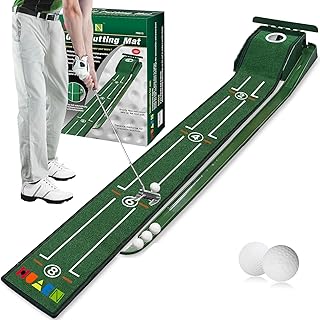
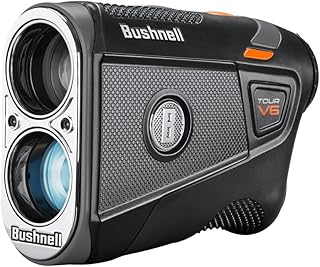
Gear worth checking out for mid-handicap golfers: