Improve your short game with our chipping guide, covering technique, club selection, and common mistakes to help you shave strokes off your score
Introduction to Chipping
Chipping is an essential part of the game that can make all the difference in your score. It's not just about hitting the ball close to the hole, but also about developing a reliable technique that can help you save strokes around the greens. As a mid-handicapper, you're probably aware of the importance of chipping, but may not know where to start or how to improve. In this guide, we'll cover the basics of chipping, including technique, club selection, and common mistakes to avoid.
One of the most significant advantages of chipping is that it doesn't require a lot of power or strength. Unlike driving or fairway woods, chipping is more about finesse and control. This means that anyone can develop a good chipping technique, regardless of their age, size, or physical ability. As the saying goes, "chicks dig guys with good short games," and we're here to help you become one of them.
So, why do so many golfers struggle with chipping? The answer lies in a combination of factors, including lack of practice, poor technique, and inadequate club selection. Many golfers focus too much on their long game, neglecting the short game and leaving strokes on the table. Others may have a good technique but struggle with club selection, using the wrong loft or bounce for the shot.
According to a recent study, improving your short game can shave off as many as 10 strokes from your score. This is because chipping and putting account for a significant portion of your overall score, and small improvements in these areas can add up quickly. By mastering the basics of chipping and developing a reliable technique, you can start to see real improvements in your game and lower your scores.
Chipping is the most overlooked part of the game, yet it doesn't rely on power or strength or flexibility. Anyone with a brain can do it at the same level as the pros.
Chipping Technique
So, what makes a good chipping technique? The answer lies in a combination of factors, including stance, grip, ball position, and swing. A good chipping technique starts with a solid stance, with your feet shoulder-width apart and your weight evenly distributed between both feet. Your grip should be neutral, with your hands positioned evenly on the club and your wrists firm but not stiff.
Next, you need to consider the ball position. For chipping, the ball should be positioned just forward of the center of your stance, with the clubface square to the target line. This will help you strike the ball cleanly and avoid chunking or blading the shot. Finally, your swing should be smooth and controlled, with a gentle hinging motion in your wrists and a smooth follow-through.
One of the most common mistakes golfers make when chipping is using too much wrist action. This can cause the club to twist and turn, resulting in a shot that's either too high or too low. Instead, focus on using your arms and shoulders to control the swing, keeping your wrists firm but not stiff. Another common mistake is playing the ball too far back in your stance, which can cause you to chunk the shot or hit it fat.
According to a recent video on YouTube, "This Ridiculously Easy Chipping Technique Requires Almost No Practice." The video suggests that by using a simple, repetitive motion, golfers can develop a reliable chipping technique that requires minimal practice. While this may sound too good to be true, the video does offer some valuable tips and insights that can help you improve your chipping.
Play golf, not golf swing. Focus on the shot, not the technique.
Club Selection
Club selection is a critical part of chipping, and using the right loft and bounce can make all the difference in your shot. For most chipping situations, a 58 or 60-degree wedge is the best choice, as it provides the right amount of loft and spin to get the ball close to the hole. However, there are situations where a different loft or bounce may be more suitable, such as in tight lies or from the rough.
When selecting a club for chipping, consider the distance to the hole, the slope of the green, and the type of shot you're trying to play. For example, if you're playing a chip shot from the rough, you may want to use a higher lofted club such as a 64-degree wedge to get the ball out of the rough and onto the green. On the other hand, if you're playing a chip shot from the fairway, a lower lofted club such as a 54-degree wedge may be more suitable.
In addition to loft, bounce is also an important consideration when selecting a club for chipping. Bounce refers to the angle between the clubface and the sole of the club, and it can affect the trajectory and spin of the shot. For example, a club with a high bounce angle may be more suitable for chipping from the rough, as it will help the club to glide through the grass and avoid digging in.
According to Golf Sidekick, "Using a 58 or 60 degree wedge for chipping is usually the best choice for mid handicappers and high handicappers." However, the site also notes that there are exceptions to this rule, and golfers should experiment with different lofts and bounces to find what works best for them.
Experiment with different lofts and bounces to find what works best for you.
Common Mistakes
Despite the importance of chipping, many golfers struggle with this part of the game. One of the most common mistakes golfers make when chipping is using too much speed and power. This can cause the ball to sail over the green or into a hazard, resulting in a difficult up-and-down or even a lost ball.
Another common mistake golfers make when chipping is not paying attention to the slope of the green. This can cause the ball to roll away from the hole or into a difficult position, making it hard to make a par or even a bogey. To avoid this mistake, take the time to read the green carefully and consider the slope and grain of the grass.
In addition to these mistakes, golfers may also struggle with chunking or blading the ball. This can be caused by a number of factors, including a poor swing, inadequate club selection, or a lack of practice. To avoid chunking or blading, focus on using a smooth, controlled swing and selecting the right club for the shot.
According to a recent study, "improving your short game can shave off as many as 10 strokes from your score." This is because chipping and putting account for a significant portion of your overall score, and small improvements in these areas can add up quickly. By mastering the basics of chipping and developing a reliable technique, you can start to see real improvements in your game and lower your scores.
Take the time to read the green carefully and consider the slope and grain of the grass.
Practice and Improvement
Like any part of the game, chipping requires practice and improvement to master. One of the best ways to improve your chipping is to practice regularly, focusing on developing a smooth, controlled swing and selecting the right club for the shot. You can practice chipping at a driving range, on a practice green, or even in your backyard.
In addition to practicing your technique, you can also work on your mental game and strategy. This includes developing a pre-shot routine, reading the green carefully, and selecting the right club for the shot. By combining a solid technique with a strong mental game, you can become a more confident and effective chipper.
Another way to improve your chipping is to watch videos and tutorials online. There are many resources available that can help you develop a better technique and improve your short game. For example, you can watch videos on YouTube or take online lessons from a qualified instructor.
According to a recent video on YouTube, "This Ridiculously Easy Chipping Technique Requires Almost No Practice." The video suggests that by using a simple, repetitive motion, golfers can develop a reliable chipping technique that requires minimal practice. While this may sound too good to be true, the video does offer some valuable tips and insights that can help you improve your chipping.
Practice regularly and focus on developing a smooth, controlled swing.
Equipment and Gear
In addition to technique and practice, the right equipment and gear can also make a big difference in your chipping. This includes using a high-quality wedge with the right loft and bounce for the shot. For example, a 58 or 60-degree wedge is usually the best choice for chipping, as it provides the right amount of loft and spin to get the ball close to the hole.
One of the best wedges on the market today is the Cleveland RTX wedge, which is available for purchase through Cleveland RTX Wedge →. This wedge features a high-quality design and construction, with a variety of loft and bounce options to suit different chipping situations. By using a high-quality wedge like the Cleveland RTX, you can improve your chipping and develop a more reliable short game.
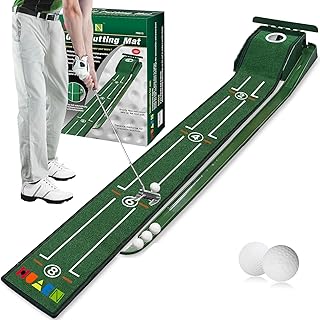
In addition to a good wedge, you may also want to consider using a chipping aid or tool to help you practice and improve. For example, you can use a chipping net or a Putting Mirror to help you develop a smoother, more controlled swing. You can also use a video camera or smartphone to record your swing and identify areas for improvement.
According to Golf Sidekick, "Using a 58 or 60 degree wedge for chipping is usually the best choice for mid handicappers and high handicappers." However, the site also notes that there are exceptions to this rule, and golfers should experiment with different lofts and bounces to find what works best for them.
Use a high-quality wedge with the right loft and bounce for the shot.
Conclusion and Statistics
In conclusion, chipping is a critical part of the game that can make all the difference in your score. By mastering the basics of chipping and developing a reliable technique, you can improve your short game and lower your scores. This includes using a smooth, controlled swing, selecting the right club for the shot, and practicing regularly to develop muscle memory and consistency.
According to recent statistics, improving your short game can shave off as many as 10 strokes from your score. This is because chipping and putting account for a significant portion of your overall score, and small improvements in these areas can add up quickly. By combining a solid technique with a strong mental game and the right equipment, you can become a more confident and effective chipper.
Here are some key statistics to keep in mind when it comes to chipping:
By keeping these statistics in mind and focusing on improving your chipping technique, you can start to see real improvements in your game and lower your scores. Remember to practice regularly, use the right equipment, and stay focused on your mental game and strategy.
Improving your short game can shave off as many as 10 strokes from your score.
⛳ Related Gear
Gear worth checking out for mid-handicap golfers: